How long can you travel?
A two-night window favours compact destinations; longer trips can justify regional or international options.
Our destination notes focus on the shape of the trip: how much time to allow, what kind of pace works, what other experiences fit naturally and where planning decisions have the biggest effect.

Toronto suits travellers who want casino entertainment as one element of a larger city break. Neighbourhoods are distinct, travel time can vary sharply by time of day, and a good itinerary benefits from grouping activities geographically.
We typically plan Toronto with a city-first structure: one primary area per day, flexible evening entertainment and enough open time to adapt to weather or changing interests.
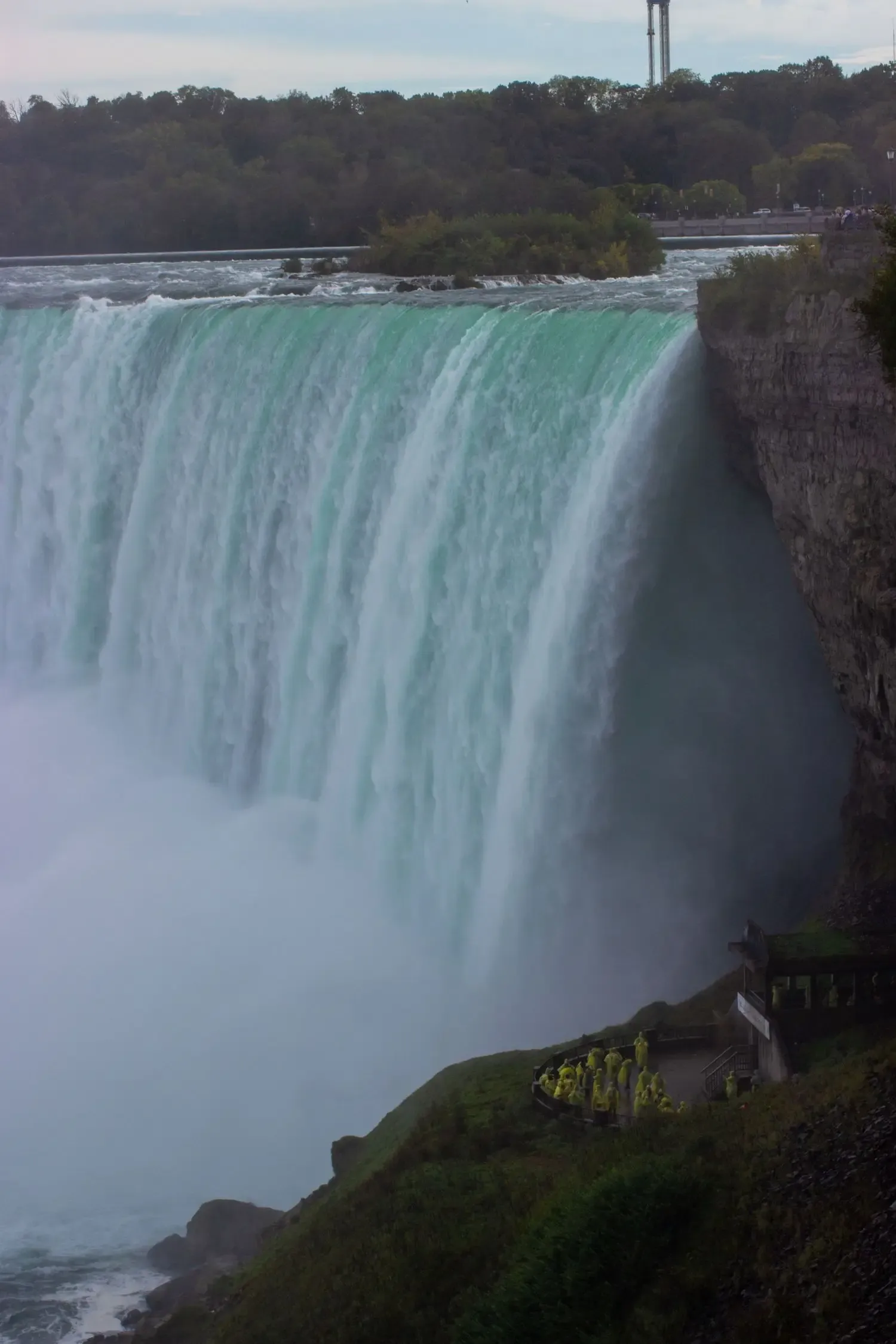
Niagara is effective for a shorter trip because the main visitor areas are concentrated. The key planning decision is less about distance and more about timing: viewpoints, entertainment and casino visits can be arranged so the itinerary feels varied rather than repetitive.
A two- or three-night plan usually leaves room for the falls, walking time, a scenic segment and relaxed evening options without forcing an early start every day.

For western Canada, we treat casino visits as part of a wider metropolitan and scenic itinerary. The region rewards travellers who leave breathing room between urban activities and longer outings.
Accommodation location matters because a plan may involve downtown areas, surrounding municipalities and scenic day segments. We therefore map the likely route before suggesting where to base the stay.

Montréal works well for travellers who value architecture, neighbourhood character, cultural stops and a strong sense of place. Casino time can be positioned within a city itinerary rather than treated as a separate excursion.
We keep walking distance, local transit and the rhythm of different districts in view so the trip remains practical. Longer stays can include more independent exploration instead of adding more scheduled stops.

International casino cities need a different planning approach. Arrival fatigue, longer transfers, local entry requirements and the density of major attractions can all affect the practical value of an itinerary.
We plan these trips with lighter arrival and departure days, district-based sightseeing and intentionally unstructured time. The result is a schedule that can absorb changes without losing its core shape.
A two-night window favours compact destinations; longer trips can justify regional or international options.
If you prefer late starts and long evenings, the itinerary should not depend on tightly scheduled mornings.
Architecture, scenery, shopping, performance venues and neighbourhood exploration can change which destination fits best.
Some travellers enjoy regional exploration; others get more value from a compact route and a single base.
We compare destinations by the complete travel experience: how the city is organised, how much movement each day requires, what you can do outside gaming time and whether the destination fits the length of your trip.
A compact entertainment area can be useful for a shorter trip, while a larger city may reward travellers who want several distinct neighbourhoods and more daytime variety. We match that geography to the number of nights you actually have.
Some travellers want dense city energy and a long list of districts to explore. Others prefer a recognisable landscape, waterfront, mountain or falls setting with fewer daily moves. The itinerary should reflect that preference from the beginning.
We consider whether a trip relies mostly on walking, local transit, short vehicle transfers or a combination. This helps prevent plans that look simple on a map but require too much movement once real daily timing is considered.
A destination with strong evening entertainment can still benefit from slower mornings and daytime sightseeing. We look for a rhythm that makes the whole stay worthwhile instead of treating daytime hours as empty space between casino visits.
A destination with straightforward transfers and a clear central area can make the experience easier to navigate. We can keep the plan compact and include enough non-gaming activity to give each day a distinct purpose.
If you already know the main tourist areas, the itinerary can shift toward neighbourhoods, architecture, local districts and different pacing. Returning travellers often benefit from fewer headline stops and more time to explore selected areas in depth.
When one person prioritises casino time and another prefers city exploration, the destination should support both without requiring constant compromise. We identify shared anchor points and practical periods for separate activities.
A special occasion does not require an overloaded schedule. We can emphasise memorable settings, smooth transitions and one or two anchor experiences while protecting enough open time for the trip to feel personal rather than programmed.
Tell us your trip length, preferred pace and the kind of atmosphere you want. We will use those constraints to narrow the options.